Renting a roll-off dumpster for the first time can feel overwhelming when you don’t know what to expect. Whether you’re cleaning out a garage in Milton, renovating a bathroom in Gulf Breeze, or managing construction debris in Pace, understanding the rental process from start to finish helps you avoid unexpected costs and ensures your project stays on track.
This guide walks Santa Rosa County homeowners, contractors, and property managers through every step of renting a dumpster—from choosing the right size to scheduling pickup after your project wraps up.
What Is a Roll-Off Dumpster?
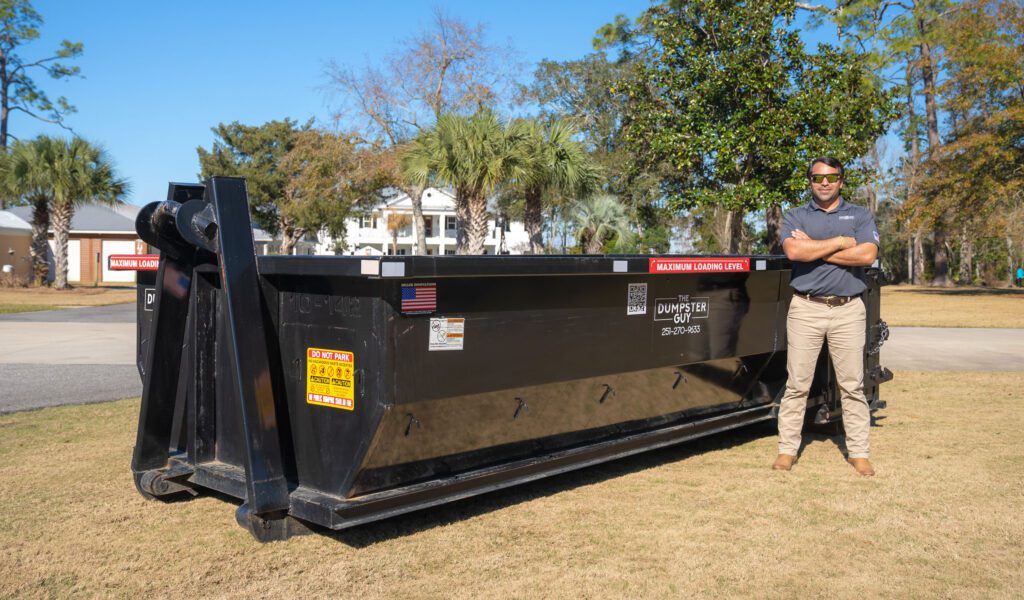
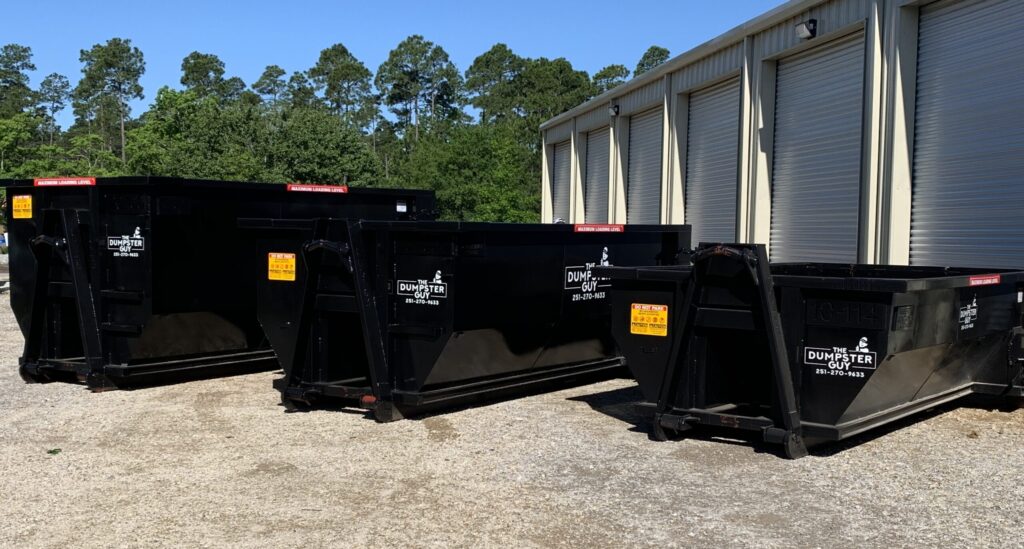
A roll-off dumpster is an open-top waste container delivered to your location on a specialized truck. The name comes from how the container rolls off the truck bed using a hydraulic system. These temporary containers differ from the permanent commercial dumpsters you see behind restaurants and retail stores.
Roll-off dumpsters feature a swinging rear door that lets you walk heavy or bulky items directly into the container instead of lifting everything over the sides. This design makes loading safer and more efficient, especially when dealing with materials like old flooring, cabinets, or furniture during home improvement projects.
Throughout Santa Rosa County, roll-off dumpsters provide a practical waste management solution for projects that generate more debris than your regular curbside trash service can handle.
When Should You Rent a Dumpster?
Many Santa Rosa County residents underestimate how much waste their projects will produce. Renting a dumpster makes sense when you’re tackling:
Home Renovation Projects – Kitchen and bathroom remodels, flooring replacement, and room additions create substantial demolition debris that accumulates quickly. A dumpster keeps materials contained and your work area clear.
Whole-House Cleanouts – Downsizing, estate cleanouts, or clearing years of accumulated belongings from a Bagdad farmhouse or Navarre beach home goes faster when you can toss items directly into a container.
Roofing Replacements – Shingle tear-offs produce heavy, bulky waste that requires proper disposal. Many roofing crews working in Santa Rosa County rely on roll-off containers to manage job site waste efficiently.
Landscaping Overhauls – Major yard projects involving tree removal, fence replacement, or hardscape demolition create debris that doesn’t fit in yard waste bags.
Storm Cleanup – Florida’s hurricane season often leaves Santa Rosa County properties with fallen trees, damaged fencing, and storm debris requiring immediate removal.
Moving Preparations – Decluttering before a move helps you avoid paying to transport items you no longer need.
Choosing the Right Dumpster Size
Selecting an appropriately sized container prevents two common problems: running out of space mid-project or paying for capacity you don’t use. The Dumpster Guy Santa Rosa offers three container sizes designed to match different project scales.
10-Yard Dumpster
The 10-yard container holds approximately 10 cubic yards of material, equivalent to about three pickup truck loads. This compact option works well for:
- Single-room cleanouts
- Small bathroom or kitchen demolition
- Deck removal projects
- Garage or attic decluttering
- Minor landscaping debris
With dimensions of roughly 12 feet long, 8 feet wide, and 3.5 feet tall, a 10-yard dumpster fits comfortably in most driveways throughout Tiger Point and other residential neighborhoods.
15-Yard Dumpster
The mid-size 15-yard container handles projects too large for the smallest option but not extensive enough to justify the biggest. Typical uses include:
- Multiple-room cleanouts
- Medium-sized renovation projects
- Flooring removal from several rooms
- Shed or small structure demolition
- Estate cleanouts with moderate volume
This versatile size balances capacity with a manageable footprint, making it popular among homeowners tackling weekend renovation projects.
20-Yard Dumpster
The 20-yard container provides maximum capacity for larger residential projects and smaller commercial jobs. Consider this size for:
- Whole-house cleanouts
- Major renovation projects
- Roofing tear-offs (depending on roof size)
- Construction debris from additions
- Demolition projects involving multiple structures
When estimating your needs, remember that heavier materials like concrete, roofing shingles, and dirt fill containers faster by weight even when space remains.
The Dumpster Rental Process Step by Step
Understanding each phase of the rental process helps you plan your project timeline and avoid unnecessary delays.
Step 1: Assess Your Project Needs
Before contacting a rental company, take time to evaluate your project scope. Consider what materials you’ll dispose of, how long your project will take, and where you’ll place the container. These details help determine the appropriate dumpster size and rental duration.
For larger or more complex projects throughout Santa Rosa County, consulting with a local dumpster rental company provides valuable insight. Experienced providers can recommend container sizes based on similar projects they’ve serviced in your area.
Step 2: Get a Quote and Schedule Delivery
Contact your chosen dumpster rental provider to discuss your project and receive pricing. Transparent companies provide all-inclusive quotes that bundle delivery, pickup, disposal fees, and the rental period into one clear price.
When scheduling delivery, align the drop-off date with when you’ll actually begin generating waste. Having a dumpster delivered days before starting work wastes rental time, while starting without a container creates storage headaches for accumulated debris.
Same-day delivery is often available for Santa Rosa County residents who need containers quickly, though scheduling a few days ahead ensures availability during busy seasons.
Step 3: Prepare Your Delivery Location
Before your dumpster arrives, prepare the placement area:
- Clear the drop-off zone of vehicles, equipment, and obstacles
- Ensure the delivery truck has adequate access (typically 10-12 feet wide with 23 feet of overhead clearance)
- Consider placing plywood or boards where the container will rest to protect paved surfaces
- Open gates and unlock any access points the delivery driver will need
Most residential rentals in Jay, Pace, Milton, and surrounding communities place dumpsters in driveways. If you need street placement, check with Santa Rosa County or your municipality about permit requirements before delivery.
Step 4: Load Your Dumpster Properly
How you fill your container affects both safety and cost. Follow these loading practices:
Start with heavy items first – Walk bulky, heavy materials through the rear door and spread them across the container floor to distribute weight evenly.
Break down large items – Disassemble furniture, cut long boards, and flatten boxes to maximize space efficiency.
Fill gaps strategically – After loading heavy items, use smaller debris to fill spaces between larger pieces.
Respect the fill line – Never load materials above the container’s sides. Overfilled dumpsters cannot be transported safely and may result in additional fees or require you to remove excess material.
Stay within weight limits – Each container size has a weight allowance. Heavy materials like concrete, dirt, and roofing shingles reach weight limits faster than lighter household debris.
Step 5: Know What You Can and Cannot Dispose
Most household and construction debris goes in dumpsters without issue, including:
- Furniture and household items
- Construction materials (lumber, drywall, flooring)
- Yard waste and landscaping debris
- Appliances (fees may apply)
- Mattresses (fees may apply)
- General junk and clutter
However, certain materials require special disposal and cannot go in roll-off containers:
- Hazardous materials (paint, solvents, chemicals)
- Automotive fluids (oil, gasoline, antifreeze)
- Batteries (automotive and household)
- Tires
- Asbestos-containing materials
- Electronics (in some cases)
- Medical waste
When uncertain about specific items, ask your rental provider before loading. Santa Rosa County residents can contact local waste management for guidance on proper disposal of hazardous materials.
Step 6: Schedule Pickup
Once your project wraps up and you’ve finished loading, contact your rental company to schedule pickup. Before the truck arrives:
- Ensure all debris sits inside the container below the fill line
- Close and secure the rear loading door
- Clear any obstacles around the container
- Confirm the truck has the same access it had during delivery
What Affects Dumpster Rental Pricing?
Several factors influence the total cost of your rental. Understanding these helps you budget accurately and avoid surprises.
Container Size – Larger dumpsters cost more than smaller ones. Choosing the right size for your actual needs prevents overpaying for unused capacity.
Rental Duration – Standard rental periods typically range from 7 to 14 days. Extending beyond the included period incurs daily fees.
Debris Weight – Rentals include a weight allowance. Exceeding this limit results in overage charges calculated per additional ton.
Debris Type – Some materials like mattresses, appliances, or electronics carry additional disposal fees.
Location – Delivery distance from the rental company’s base affects pricing. Local Santa Rosa County providers often offer better rates than distant competitors.
For current dumpster rental prices in your area, request a quote that details all included services and potential additional charges.
Local Considerations for Santa Rosa County Rentals
Santa Rosa County’s diverse communities present different dumpster rental considerations depending on your location.
Coastal Communities
Gulf Breeze, Navarre, and Pensacola Beach rentals may involve stricter HOA regulations, limited driveway space in beach communities, and permit requirements for properties near the water. Hurricane debris cleanup is common after storm season, making quick delivery essential.
Rural Areas
Communities like Jay and Bagdad often have more flexible placement options with larger properties. Agricultural and farm cleanout projects are common, sometimes involving materials requiring special consideration.
Suburban Neighborhoods
Milton, Pace, and Tiger Point residents typically place dumpsters in driveways. These areas see high demand during peak renovation seasons, so advance scheduling is recommended.
Tips for First-Time Renters
Make your first dumpster rental experience smooth with these practical suggestions:
Order the right size – When uncertain between two sizes, the larger option usually proves more economical than renting a second container because you underestimated.
Book ahead during busy seasons – Spring cleaning season and post-hurricane periods see increased demand throughout Santa Rosa County. Scheduling several days or a week in advance ensures availability.
Protect your driveway – Request plywood placement under the container or lay your own boards before delivery to prevent marks on concrete or asphalt.
Cover the container – When not actively loading, covering your dumpster with a tarp prevents neighbors from adding their trash and keeps rainwater from adding weight.
Take photos – Document your delivery area before the dumpster arrives and after pickup to address any property concerns quickly.
Ask questions – Reputable rental companies welcome questions about sizing, prohibited items, and the rental process. Clear communication prevents misunderstandings and extra charges.
Frequently Asked Questions
Do I need a permit for a dumpster in Santa Rosa County?
Permits typically aren’t required when placing dumpsters on private property like your driveway. Street placement usually requires permits from your local municipality. Check with Santa Rosa County or your city before scheduling delivery if you plan to place the container on public property.
How quickly can I get a dumpster delivered?
Same-day delivery is often available, particularly when you call early in the day. During peak seasons, scheduling a few days ahead ensures you get your preferred delivery date and time.
Can I keep the dumpster longer than the rental period?
Yes, most companies offer rental extensions for a daily fee. Contact your provider before your rental period expires to arrange additional time and avoid unexpected charges.
What happens if I exceed the weight limit?
Overage charges apply based on how much additional weight your container holds. These fees are calculated per ton over the included allowance. Your rental company weighs the container at the disposal facility and bills accordingly.
Can I place a dumpster on my lawn?
While possible, driveway placement is preferable. Heavy containers can damage grass and create ruts in soft ground, especially after rain. If lawn placement is your only option, discuss it with your rental provider for suggestions on minimizing damage.
Ready to Rent Your First Dumpster?
Understanding how dumpster rentals work removes the guesswork from waste management for your next project. Whether you’re renovating in Gulf Breeze, cleaning out a property in Milton, or tackling storm cleanup anywhere in Santa Rosa County, the right dumpster makes the job easier.
The Dumpster Guy Santa Rosa serves communities throughout Santa Rosa County with 10, 15, and 20-yard roll-off containers and same-day delivery options. Visit our dumpster rental FAQ page for additional answers or contact us to get a quote for your project.
Check our current promotions and order online when you’re ready to schedule delivery.
Related Reading: